





First Steps That Prevent Headaches Later
Before you chase any reward, set up your account so the platform can actually recognize you. In 2026, most hiccups come from skipped profile fields, mismatched details, or limits that were never set. Imagine signing up on your phone during a short break. You finish the basics now, and later you can play without surprise prompts stealing your time.
Creating An Account With Fewer Future Checks
Finish the profile in one go: real email access, a strong unique password, and consistent personal details. If you stop halfway, the next login can feel messy because you are asked for missing data right when you want to play. Imagine returning at night, tired, and seeing another prompt. You rush, click through, and then have to redo steps the next day when you are calmer.
Do a quick “sanity check” after registration: log out, log back in, open your profile, and confirm everything matches. Keep key details stable unless you must change them, and support conversations become much simpler.
Setting Limits While You Are Calm
Limits work best when you set them before the mood hits. Picture this: you plan “a few rounds,” then losses nudge you into topping up again. A cap forces a pause when your brain wants to act fast, and that pause often saves the session.
Pick one weekly number and one session timer. If you later want to play more, raise limits deliberately, not in the heat of the moment. If you want a reset, use a short timeout.
Legiano Online Casino Bonus Options For 2026 Sessions
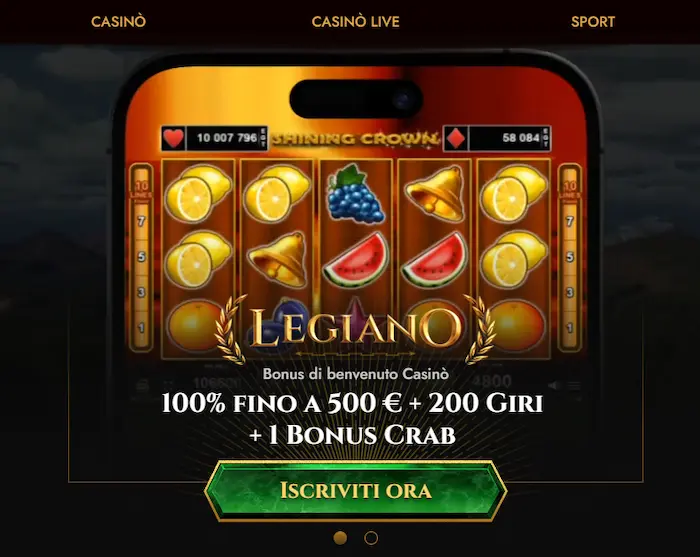
Offers are useful only when they match your schedule and patience. Many Australia players prefer simple rewards they can understand in one read: claim, play, meet clear requirements, then decide whether to withdraw or stop. Imagine you have 20 minutes tonight and a longer session on the weekend. You play tonight without activating anything, then use the weekend window when you can actually complete the steps.
Welcome Packages Vs Reload Deals
Welcome rewards usually support early deposits, while reload deals target regular sessions later on. Imagine you activate a “big” offer but do not have time to finish it. By the time you sit down to play, the pressure to “complete it” kills the relaxed vibe.
If you play small stakes and stop often, shorter requirements usually feel better. If you play longer sessions, a larger reward with more steps can still be fine, as long as the rules are readable and the eligible game list fits you.
When A Voucher Helps And When It Gets In The Way
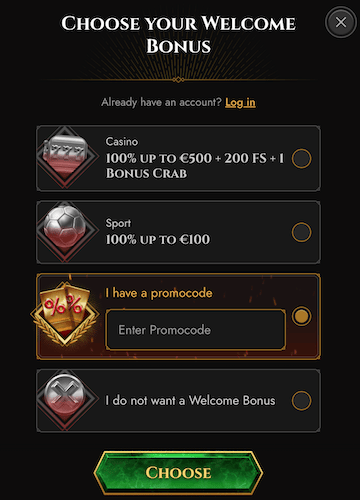
Some campaigns ask you to enter a voucher during deposit. It is clear and intentional, but one missed step can mean nothing applies. Imagine depositing first and noticing the field afterwards. You start debating whether to deposit again, and confusion replaces the fun - so pause and check your promotion status first.
Before you deposit, look for a confirmation inside your account that the reward is selected. After you deposit, confirm again that a tracker or balance updated.
Reading Requirements Like A Player
You only need three answers: which games count, whether there is a stake cap during the offer, and what blocks a withdrawal. Imagine switching game types mid-session. You think you are progressing, but the tracker barely moves because the category contributes differently.
If you cannot explain the conditions back to yourself, skip the reward and play normally. Simplicity is a feature, not a missed opportunity.
Terms That Actually Matter While You Play
Most rules are noise until you are mid-session. Focus on the few that change your decisions: game eligibility, stake limits while a reward is active, and what happens if you cancel early. Imagine you are winning and want to raise stakes to speed things up. You bump the bet size, then later notice progress paused because a cap was in place.
A simple way to avoid mistakes is to play steady during a promotion: keep stakes consistent, pick two games you are happy to stick with, and avoid mixing in unfamiliar side bets. If you want to experiment, do it in a separate session with no active reward, so you are not guessing which clicks “count.”
Imagine you are halfway through and you suddenly want to withdraw because you hit a personal goal. Many platforms treat that as ending the reward path, and any remaining reward funds may be removed. That is why it helps to decide early: “Am I finishing the requirement, or am I withdrawing the moment I feel satisfied?” Either choice is fine - mixing them is where frustration starts.
Deposits And Cashouts From Australia Without Guesswork
Money movement should feel routine. Players usually have fewer issues when they stick to one primary method, keep details consistent, and do not switch routes mid-week. Imagine topping up on mobile and withdrawing on desktop. One small mismatch in details can be enough to trigger extra steps, so double-check before you confirm.
If you are new, start small once. A tiny first deposit is basically a test run: you learn how confirmations look, where history sits, and how your chosen method behaves. That makes the first cashout feel less stressful because you already know the workflow.
|
Payment Route |
Good For |
Common Deposit Speed |
Common Cashout Notes |
|---|---|---|---|
|
Bank Card |
Quick top-ups and simple setup |
Often immediate |
May trigger extra checks for payouts |
|
Bank Transfer |
Larger amounts and clear statements |
Can take longer |
Often steadier for repeated cashouts |
|
E-wallet |
Separating play funds from daily spending |
Often quick |
Keep identity details aligned |
|
Alternative Methods |
Flexibility depending on availability |
Varies |
Read limits and possible fees first |
Depositing With A Plan, Not A Mood
Decide your amount before you open the cashier. Imagine you feel tempted to add “just a little more” after a close loss. You pause, look at your limit, and the urge passes - that is the point of the limit.
If a screen refreshes or the connection drops, check your transaction history instead of clicking twice. Keep a simple record for yourself: the confirmation screen and the time.
Withdrawing Smoothly When You Are Excited
Treat a cashout like a bank transfer: amount, method, personal details, submit once. Imagine switching methods because it “looks faster.” You often end up facing extra checks when you just wanted a quick payout.
Consistency helps, and completing any verification request with clear photos prevents long delays. After you submit, check status once, then walk away.

Game Choices That Fit Your Time And Temper
The lobby is huge, so pick a session style first. In 2026, satisfied players are usually the ones who plan a start and a stop, not the ones who chase variety nonstop. Imagine you have 15 minutes before dinner. You want a clear stop point, not an endless loop that eats the evening.
Slots For Quick Sessions And Clear Stop Points
Slots are fast, which is both the appeal and the risk. Imagine you blink and 30 minutes disappears. Without a timer, you keep spinning because the rounds are so quick.
Set a stake, set a time limit, and decide one stop rule you will actually follow. A simple rule that works is time-based, not emotion-based: stop at the timer, win or lose, then reassess after a short break.
Live Tables For A Slower Rhythm
Live tables add a natural pause between decisions. If you get impulsive, imagine a live round acting like a speed bump. You can breathe between rounds instead of rapid clicking.
Still, keep stakes steady so the slower pace does not hide the spend. If you feel yourself tilting, sit out a round and reset.
Switching Games Without Losing Track
Game-hopping can mask the total cost. Imagine you switch because you feel bored, not because you want variety. You bounce again and again, and the balance drops without you noticing.
Before you change games, check your balance and take a one-minute break. If you want variety, plan it: two games per session, maximum, with a short pause in between.
A Simple Habit For Better Sessions
Do a quick recap after play: time spent, money used, mood. Imagine noticing you always play longer late at night. Once you see it, you can plan around it instead of repeating it.
Adjust limits or avoid that time window entirely. Small changes are easier than trying to “fix” a bad habit in the middle of a session.
Mobile Sessions That Stay In Control
Mobile is convenient, so it needs boundaries. Many players use a short pre-session ritual: check limits, set a timer, then play. Imagine opening the casino while scrolling on the couch. That is exactly when a ritual helps you decide on purpose instead of drifting.
Notifications matter too. If pings pull you back into play after you stopped, reduce them. If reminders help you leave on time, keep those on.
Connection Issues, Mis-Taps, And Simple Fixes
If something looks wrong, do not react with more clicks. Imagine a deposit page reloads and you are unsure. You reopen, check your history, and avoid accidental double actions.
For safety, avoid public Wi-Fi when making payments. Leave money movement for a secure connection.
Support And Safer-Play Tools That Actually Help
Support works best when your message is clean. In 2026, a short structured note (what happened, when, method, device, expected result) gets better answers than a long story. Imagine an agent handling multiple chats. If your message is neat, you usually get a precise answer instead of a generic script.
Also use support proactively. If you are unsure about a setting, a limit, or how a withdrawal step works, asking early is faster than guessing and fixing later.
How To Ask One Clear Question
Ask one thing at a time. Imagine a cashout shows “completed” but you do not see it yet. Support can tell you whether to wait longer or take a specific step.
Give the date, method, and status, then stop. If the reply is vague, ask a follow-up that narrows it: “Should I wait, or is another action required?”
Using Timeouts And Longer Breaks
Break tools are there to stop momentum. Imagine hearing the thought “one more to get back to even.” A timeout breaks the loop before it grows into a late-night chase.
If the pattern repeats, a longer break can protect your budget and your sleep. Treat the tool like a reset, not a punishment.
Privacy Habits That Protect Your Account
Use a unique password, secure email access, and log out on shared devices. Avoid public Wi-Fi when moving money. Imagine saving your login on someone else’s laptop “just once.” Later someone opens the browser, and the account is still signed in.
Keep your device updated and keep your account private. Those habits reduce risk more than any complicated trick.